The best teams admit more mistakes
The research that began with a result nobody expected, and what it means for the moment just before a hard decision
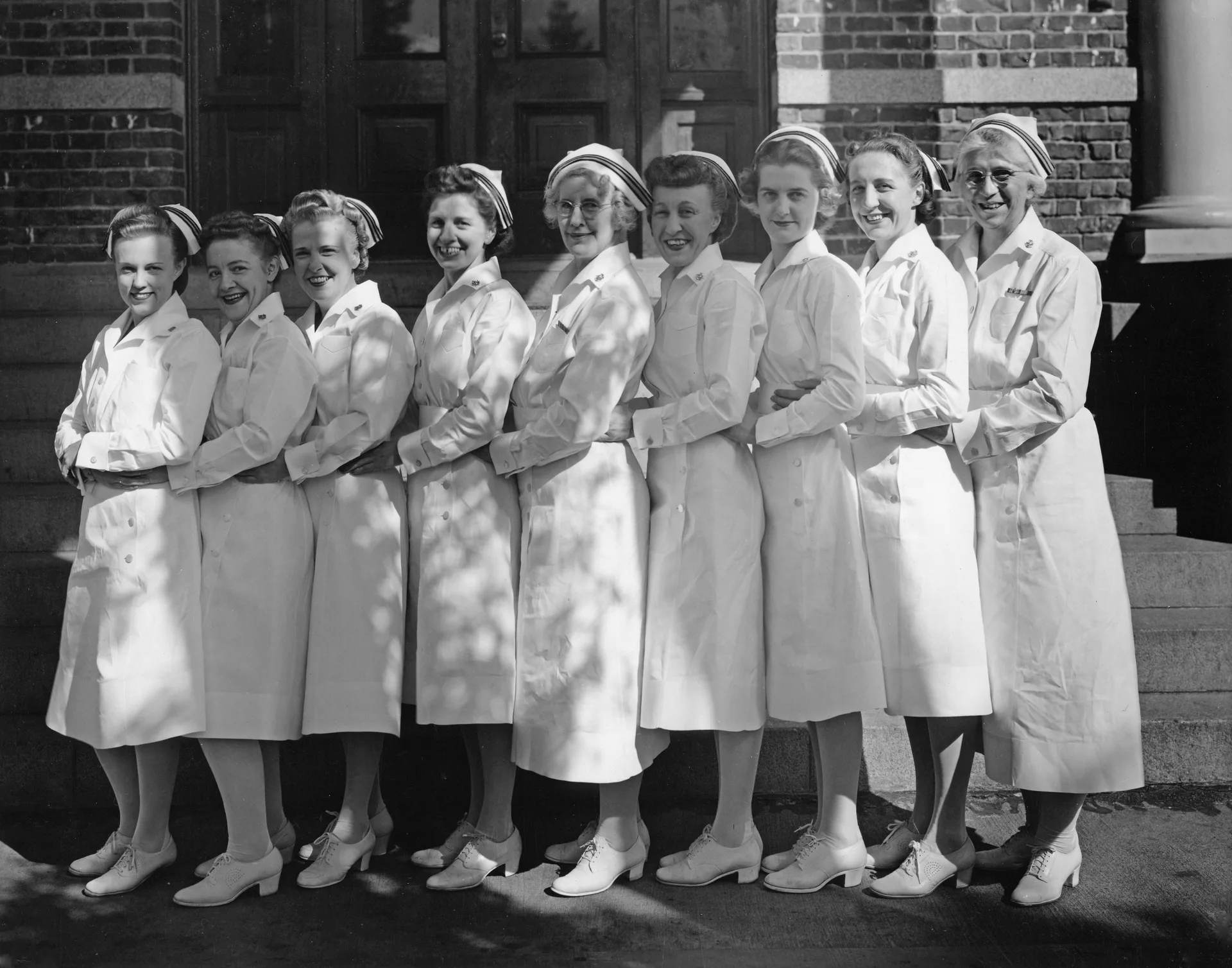
In the early 1990s a Harvard doctoral student named Amy Edmondson set out to study hospital nursing teams, expecting a tidy result: better teams, she assumed, would make fewer medication errors. The data came back the wrong way round. The better teams reported more errors, not fewer.
For a moment it looked as though the good teams were the dangerous ones. Then the real explanation surfaced. The better teams were not making more mistakes. They were admitting more of them. The weaker teams were making just as many and quietly burying them, which is the far more dangerous state for a hospital to be in.
Edmondson gave the difference a name that has since travelled everywhere: psychological safety, a shared belief that the team is safe for interpersonal risk-taking. Where it is high, people speak up, ask for help, flag a concern, own an error. Where it is low, they go quiet, and the problems go underground. Crucially, her 1999 paper showed the effect runs through learning behaviour rather than comfort. Safe teams ask more questions, surface more problems, and experiment more, and that learning is what drives the performance. It has nothing to do with being nice, and nothing to do with lowering the bar. A psychologically safe team is one where people can do the hard work of meeting a high standard out loud.
Years later, Google went looking for the same thing in its own business. Project Aristotle studied 180 teams and ran the data through dozens of statistical models, expecting that the best teams would come down to the right mix of talent. They did not. What mattered was less who was on the team than how the team worked together, and the single strongest predictor of effectiveness was psychological safety. The clever people were everywhere. What separated the great teams was whether it felt safe to speak.
Now put this next to the moment that matters most to you. A real decision is coming: a restructure, an office move, a change to how people work. This is exactly when psychological safety runs lowest and the stakes run highest. The people the decision affects most are the least likely to say what they actually think out loud, in a meeting, to the person holding the pen. The honest signal exists. It simply is not safe to voice where it would be heard.
That is the gap, and it is a structural one, not a failure of nerve. Edmondson’s own advice to leaders, set the stage, invite people in, and respond well, is a fair description of what a good anonymous conversation does by design. It frames the question as something worth thinking about, it asks each person directly, and it removes the cost of being the one who said it. Silence, in other words, is not agreement. It is usually just the absence of safety.
References Edmondson, A. C. (1999). Psychological Safety and Learning Behavior in Work Teams. Administrative Science Quarterly, 44(2), 350-383.
Psych Safety, The history of psychological safety (the nursing-error origin and the definition).
Google re:Work, Understand team effectiveness, and Psych Safety on Project Aristotle (180 teams; psychological safety the strongest predictor).
Amy Edmondson on candour, for HR leaders (stage-setting, inviting, responding).